Crafting Custom Bets: AI Interfaces Streamline Football Parlays and Racing Exotics on Mobile Devices
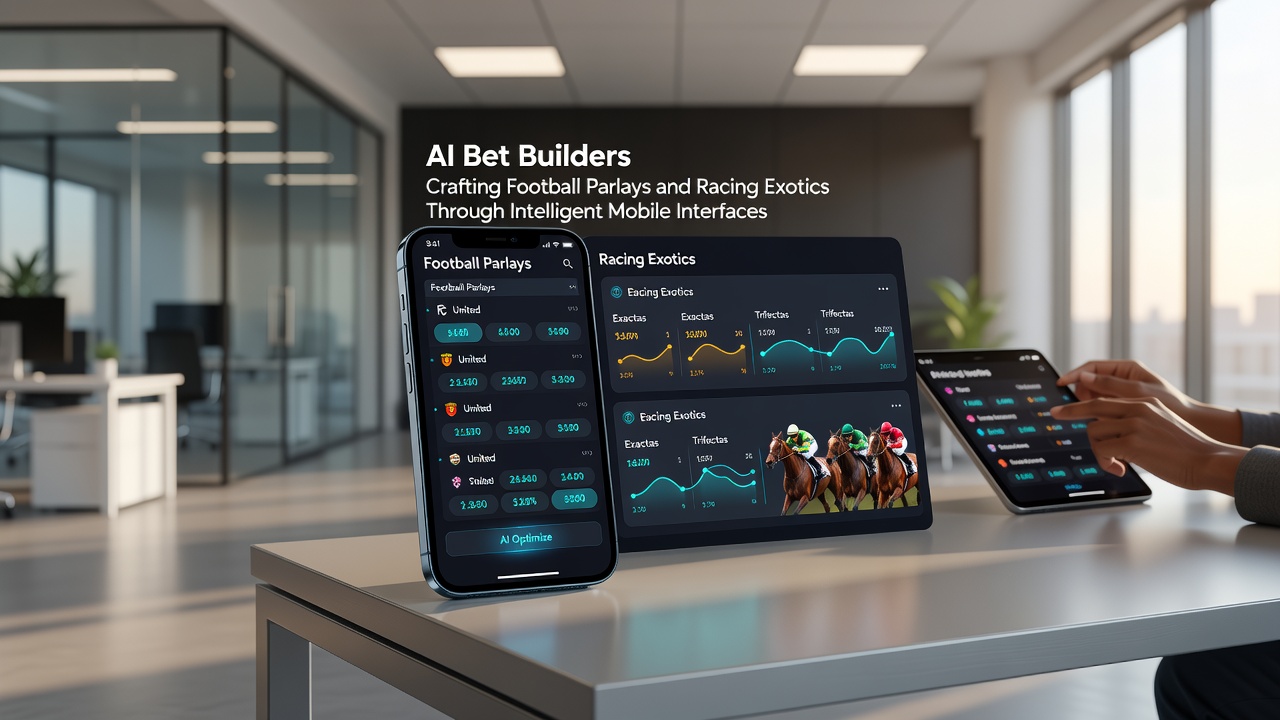
Artificial intelligence has entered betting platforms through specialized bet builders that analyze vast datasets to assemble football parlays and racing exotics, and these tools operate primarily through mobile applications that present real-time suggestions to users. Data from industry reports in June 2026 shows increased adoption rates across major operators as machine learning models process player statistics, team form, track conditions, and historical outcomes to generate combinations that align with user preferences.
Core Mechanics of AI Bet Builders
These systems rely on algorithms that cross-reference live feeds with archived performance metrics, and they adjust recommendations dynamically as odds shift during matches or race meetings. Observers note that the process begins when a user selects initial parameters such as league, timeframe, or distance, after which the interface populates potential legs for accumulators or exotic bets like exactas and trifectas. The models incorporate variables including weather data, injury reports, and pace figures while maintaining compliance with operator rules on stake limits and payout structures.
Mobile interfaces simplify this workflow through swipe gestures and predictive text fields that narrow options instantly, and developers have integrated natural language queries so bettors can describe desired outcomes without navigating multiple menus. Research from the University of Nevada, Las Vegas Center for Gaming Research indicates that such interfaces reduce average construction time for multi-leg wagers by integrating API connections to data providers that update every few seconds.
Application in Football Parlays
Football parlay construction benefits from AI analysis of possession rates, expected goals, and set-piece efficiency, and the tools frequently highlight correlations between defensive records and away performance that might otherwise require manual cross-checking. Users input a preferred number of selections or total odds target, and the system returns layered options that balance risk across different fixtures occurring on the same day. In June 2026, several platforms reported that parlay volume through these builders accounted for a growing share of mobile sessions compared with traditional single selections.
Examples include suggestions that combine a home team clean sheet with an over-2.5 total in a concurrent match, while adjusting for live substitutions or red cards as events unfold. The AI flags potential conflicts such as correlated outcomes that could invalidate a parlay under certain bookmaker terms, and it presents alternative legs that preserve the overall structure.
Development in Racing Exotics
Racing applications extend similar logic to exotic wagers by evaluating post positions, jockey-trainer combinations, and surface preferences, and the interfaces display probability distributions alongside each suggested grouping. Bettors working with horse racing data can request builders focused on specific meetings or distance ranges, after which the algorithm assembles quinellas, trifectas, or superfectas that incorporate pace scenarios derived from past sectional times. Mobile displays update as entries are confirmed or scratches occur, maintaining accuracy through direct feeds from racing authorities.
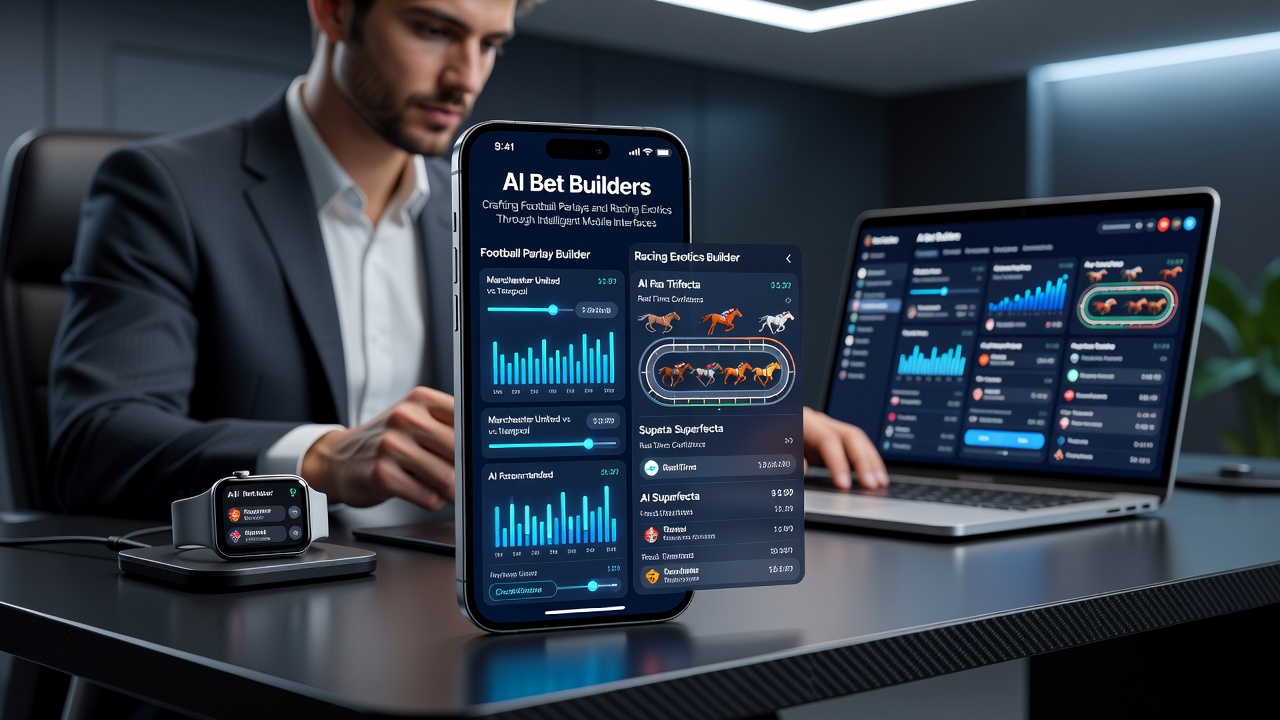
One documented case from Australian tracks in early 2026 demonstrated how an AI builder adjusted a trifecta after a late track bias report emerged, and it substituted runners whose prior performances aligned better with the new conditions. These adjustments occur without user intervention beyond initial setup, allowing focus on stake allocation rather than exhaustive research.
Mobile Interface Features and Accessibility
Design elements prioritize clarity with color-coded risk indicators and expandable statistical panels that reveal underlying data points on demand, and accessibility options include voice input for selections plus high-contrast modes for outdoor use. Integration with device notifications keeps users informed of line movements that affect previously saved builder configurations. According to figures released by the European Gaming and Betting Association, mobile sessions utilizing AI-assisted bet construction exceeded desktop equivalents by a factor of three in the first half of 2026 across monitored markets.
Security protocols encrypt user preferences and betting history while the AI models operate on anonymized aggregates to refine future suggestions, and operators maintain audit trails that satisfy jurisdictional requirements without exposing individual patterns. The combination of these elements creates a workflow where complex multi-leg structures become accessible even to those new to exotic betting formats.
Conclusion
AI bet builders continue to expand the range of structured wagers available through mobile channels by linking statistical modeling with intuitive interfaces tailored to both football and racing markets. As datasets grow and algorithms incorporate additional variables, the tools provide structured pathways for assembling parlays and exotics that reflect current conditions. Industry participants track these developments through performance metrics and user engagement data that reveal ongoing adaptation across different regulatory environments.