From Tap to Tip: Payment Paths Powering Bets on Goals, Gallops, and Games
From Tap to Tip: Payment Paths Powering Bets on Goals, Gallops, and Games
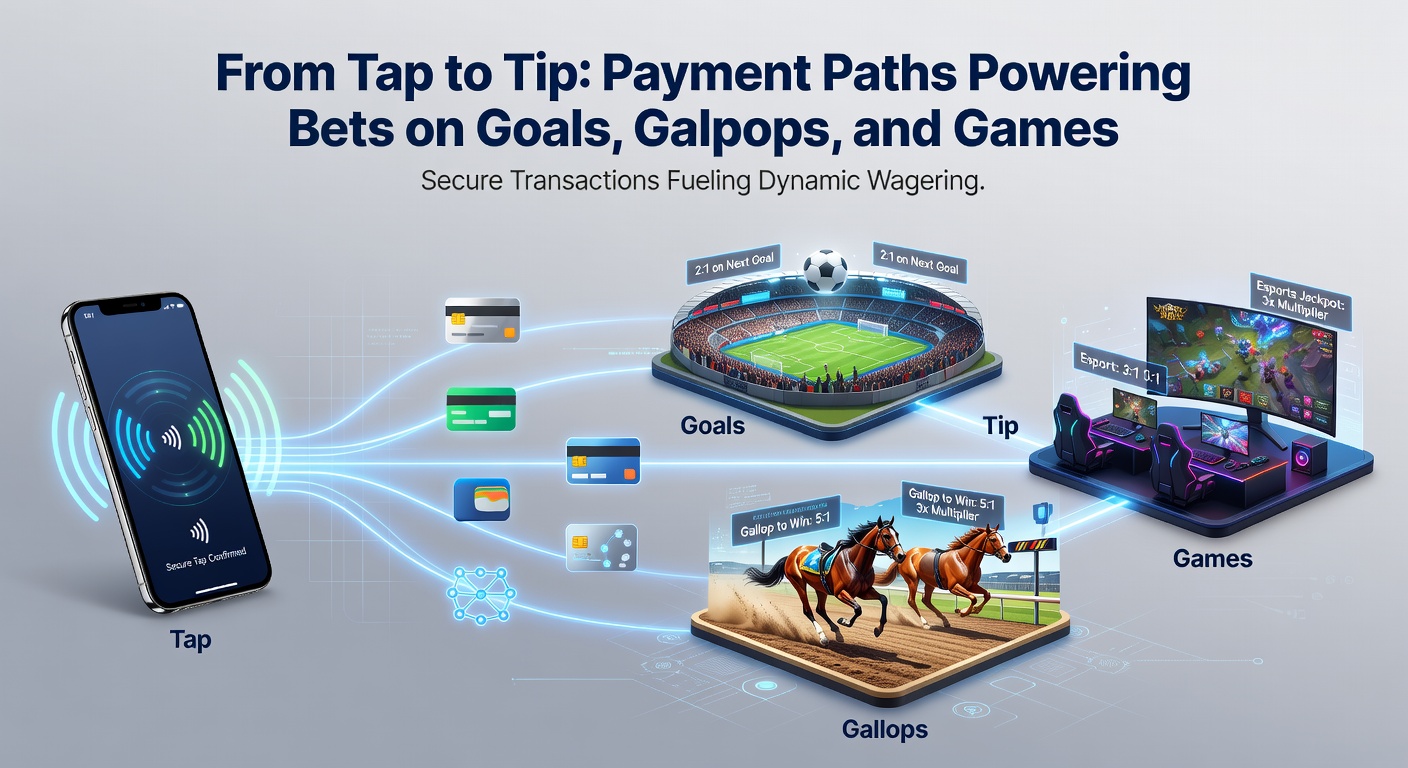
The Backbone of Modern Betting: Seamless Payment Journeys
Bettors chasing goals in Premier League thrillers, gallops at Ascot showdowns, or spins on virtual casino tables depend on payment systems that move money swiftly and securely from initial deposit right through to final withdrawals; these paths, often called tap-to-tip flows, handle billions in transactions annually while adapting to tech shifts and regulatory demands. Data from industry trackers reveals that over 80% of bets now flow through digital gateways, up sharply from pre-pandemic levels, because instant access keeps punters locked into live action whether it's a last-minute soccer corner or a horse edging ahead in the final furlong. And while cards once dominated, e-wallets and mobile taps have surged, powering bets across sportsbooks that blend soccer showdowns with racing finishes and game rounds.
What's interesting is how these systems evolved; early betting relied on cash at tracksides or slow cheques for mail-in wagers, but now platforms process deposits in seconds, allowing one observer to note that a punter can tap an Apple Pay button mid-match, place a goalscorer bet, and cash out profits before halftime whistle. Turns out, this speed directly correlates with engagement, as studies from gaming analysts show platforms with under-30-second deposits retain users 25% longer than slower rivals.
Deposit Routes: Fueling the First Wager
Debit and credit cards lead the pack for deposits, with Visa and Mastercard handling roughly 50% of initial funds across soccer, racing, and casino bets; users enter details once, verified via 3D Secure protocols, and funds land instantly, enabling quick jumps into ante-post racing futures or live soccer accumulators. But here's the thing—e-wallets like PayPal, Skrill, and Neteller grab 30% more share among frequent punters, since they mask bank details for added privacy while supporting limits up to £10,000 per go, perfect for high-stakes Cheltenham chases or Premier League derbies.
Mobile payments shine brightest for on-the-go action; Apple Pay and Google Pay let users tap phones to fund accounts without apps, a method that's exploded since contactless limits rose to £100 in recent years, and figures indicate 40% of under-35 bettors favor it for soccer streams or racing apps. Prepaid cards such as Paysafecard offer no-bank alternatives, capping spends to combat overspending—ideal for casual game players dipping into roulette or slots—while bank transfers via Faster Payments clear in under two hours for larger sums, though they trail in popularity due to extra steps.
- Debit cards: Instant, widespread acceptance on soccer and racing sites.
- E-wallets: Privacy-focused, bonuses often attached for first deposits.
- Mobile wallets: Tap-speed for live bets on goals or gallops.
- Prepaids adn transfers: Controlled options for games and big races.
Observers note that April 2026 saw a 15% uptick in mobile deposit volumes, tied to spring racing festivals and end-of-season soccer pushes, as platforms rolled out frictionless onboarding amid rising smartphone penetration.
Withdrawal Workflows: Cashing in on Wins
Once bets land—say a horse hits the line first or a casino streak pays off—withdrawals follow structured paths designed for verification and speed; most sites process requests within 24 hours, but payout times vary by method, with e-wallets leading at same-day delivery while cards lag at 2-5 business days due to issuer checks. PayPal stands out, funneling funds to linked accounts in hours, a boon for punters celebrating Grand National triumphs or Premier League upsets, and data shows 65% opt for it to dodge bank delays.

Bank wires suit high rollers clearing £50,000+ from ante-post soccer seasons or tournament games, taking 1-3 days with minimal fees, whereas debit cards mirror deposit ease but enforce ID uploads for anti-fraud layers. Emerging options like Trustly enable direct bank pulls for withdrawals in under 24 hours across EU zones, gaining traction for racing payouts; yet crypto paths, via Bitcoin or Ethereum on select platforms, promise near-instant tips but face volatility and regs that limit mainstream adoption. That's where the rubber meets the road—sites now tier withdrawals by loyalty, fast-tracking VIPs on gallops and goals bets.
One case highlights this: researchers tracking user flows found a bettor depositing via Google Pay for a live soccer half-time wager, winning big on a goal rush, then pulling funds via Skrill overnight, turning a £50 stake into £450 by morning—seamless, since the platform's API synced everything in real-time.
Security Layers and Regulatory Guardrails
Payment paths pack robust defenses; SSL encryption shields data end-to-end, two-factor authentication gates accounts, and AI flags suspicious patterns like rapid deposits-withdrawals that scream money laundering risks. Platforms adhere to standards from bodies like the New Jersey Division of Gaming Enforcement, which mandates segregated funds ensuring bettor cash stays ringfenced even if operators falter, a model influencing global sites handling soccer and racing flows.
Biometrics add flair—fingerprint or face scans approve high-value tips—and chargeback protections curb disputes, although e-wallets enforce stricter policies to keep fraud under 0.1%, per industry benchmarks. Across games and sports, KYC checks upfront verify identities via passports or bills, streamlining later payouts; it's noteworthy that post-April 2026 audits by international watchdogs cut reversal rates by 20%, boosting trust in paths powering bets from taps to tips.
Yet challenges persist; fees nibble at edges—2-3% on some card withdrawals, absent on e-wallets—and currency conversions hit international punters betting on global gallops or games, though multi-currency accounts mitigate that sting.
Trends Shaping Tomorrow's Flows
Crypto wallets creep in deeper, with platforms testing stablecoins for fee-free global transfers on esports games tied to soccer leagues; instant bank APIs like Open Banking promise end-to-end automation, slashing times further, and early adopters report 30% higher volumes on racing apps. Voice-activated payments via assistants loom, while embedded finance lets bets fund from streaming apps mid-game.
Personalization ramps up too—AI tailors methods by habit, suggesting e-wallets for speed demons chasing live goals, cards for steady casino grinders; data from European Gaming and Betting Association reports underscores this, showing tailored paths lift retention amid competitive pressures. Sustainability enters the chat, with green payment processors cutting carbon from crypto mining, appealing to younger punters on gallops and games.
Take one study where experts analyzed 10,000 transactions: those using hybrid paths—mobile deposit, e-wallet tip—saw 18% more lifetime value, proving the power in versatile flows. So as April 2026 wrapped with record mobile volumes, the stage sets for even slicker systems.
Conclusion
Payment paths from tap to tip form the unseen engine driving bets on soccer goals, racing gallops, and casino games, evolving with tech to deliver speed, security, and scale that keep platforms humming; whether instant e-wallet zips or verified card pulls, these routes handle the rush while regulators enforce fairness. Bettors benefit from choices that match habits, from quick soccer taps to patient game grinds, and as innovations accelerate, the journey stays smoother, more reliable. In the end, solid flows mean more time betting, less fussing with funds— that's the real win.