Platform Tools Enabling Bet Builders to Bridge Football Fixtures and Horse Racing Meetings
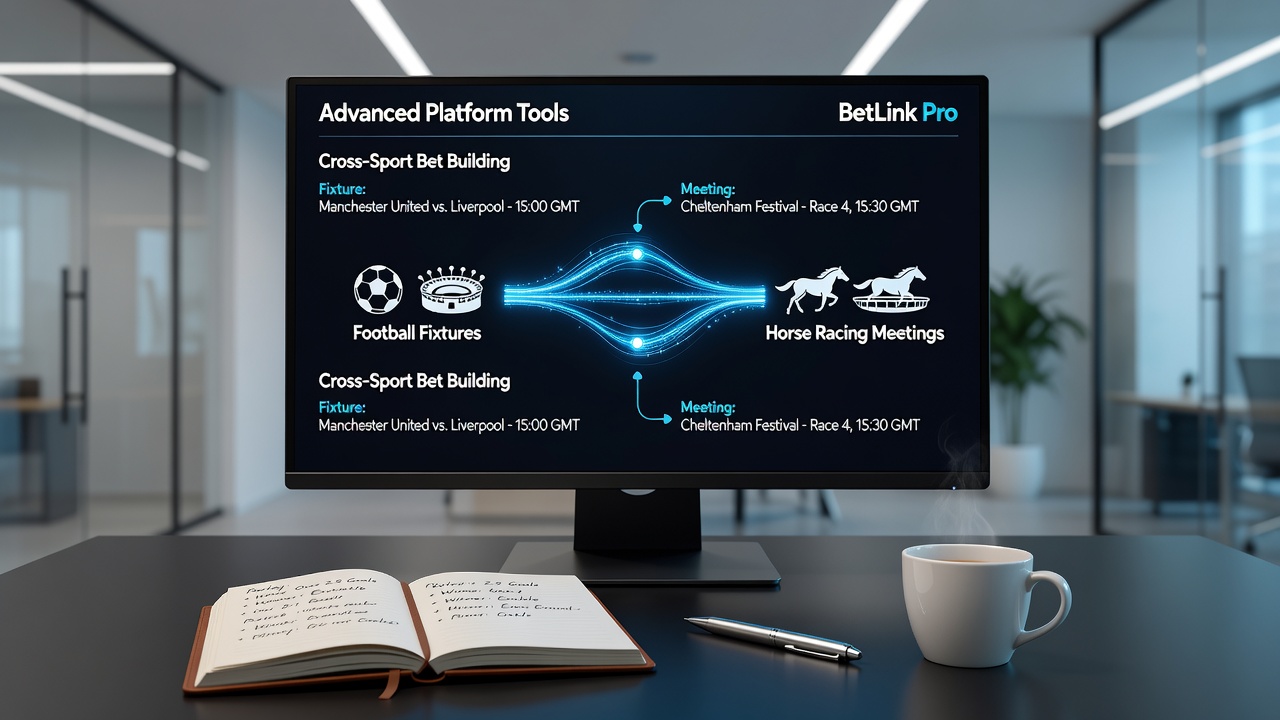
Advanced platform tools have transformed how bet builders connect football fixtures with horse racing meetings, allowing users to create multi-sport wagers through unified data systems. These platforms pull real-time information from multiple event calendars, match statistics, and racing form guides, then combine them into single betting slips that span different sports and venues.
Data Integration Across Sports Calendars
Modern bet builder systems rely on application programming interfaces that synchronize schedules from football leagues and racing authorities, so a user can link a specific Premier League kickoff time with the start of a meeting at a major track. The tools match timestamps automatically, which reduces errors when events overlap on the same day. In July 2026 several platforms rolled out enhanced APIs that pulled fixture lists and racing declarations within seconds of official releases, giving bettors access to combined markets earlier than before.
Technical Features Driving Custom Wagers
Developers have incorporated machine learning models that analyse historical performance data from both football teams and individual horses, then generate probability estimates for linked outcomes. These models factor in variables such as pitch conditions, travel distances for racing stables, and player availability, producing odds that reflect cross-sport correlations. Observers note that the algorithms update continuously during live events, adjusting potential payouts as new information arrives from pitch-side reports or track stewards.
Users interact with drag-and-drop interfaces that let them select elements like first goalscorer, exact score margins, or horse finishing positions, then combine them into accumulators or conditional bets. The platform validates each selection against available liquidity and regulatory limits before confirming the wager. This process happens in a single workflow rather than requiring separate visits to football and racing sections.
Examples of Combined Markets in Practice
One common construction involves pairing a football team to win by a specified margin with a named horse to place in the first three at a concurrent meeting. The platform calculates the combined odds instantly and displays potential returns alongside risk indicators. Another example links the total number of corners in a match to the winning distance in a handicap race, creating markets that appeal to bettors who follow both codes.

Platform Security and Compliance Measures
Operators implement encryption protocols and identity verification steps that meet standards set by bodies such as the National Council on Problem Gambling guidelines in the United States. These measures ensure that combined bets remain within responsible gambling frameworks while still offering the flexibility users expect. Data from the European Gaming and Betting Association shows increased adoption of such integrated tools across multiple jurisdictions during 2025 and 2026.
Future Developments in Cross-Sport Linking
Industry reports indicate continued investment in augmented reality overlays that could display football and racing data side by side on mobile screens. Researchers at several European institutions continue to study how these merged datasets affect betting behaviour and market efficiency. As the technology matures, additional sports and racing formats are expected to join the same builder environments, expanding the range of possible combinations.
Conclusion
Bet builders that link football fixtures to horse racing meetings represent a clear evolution in platform capability, driven by improved data pipelines and analytical tools. The integration allows precise, rules-based wagers that draw from separate sporting calendars while maintaining compliance and user controls. Continued refinement of these systems will likely shape how multi-sport betting develops in the years ahead.