Request-a-Bet Unleashed: Turning Soccer Fan Fantasies and Racing Dreams into Custom Wagers
Request-a-Bet Unleashed: Turning Soccer Fan Fantasies and Racing Dreams into Custom Wagers
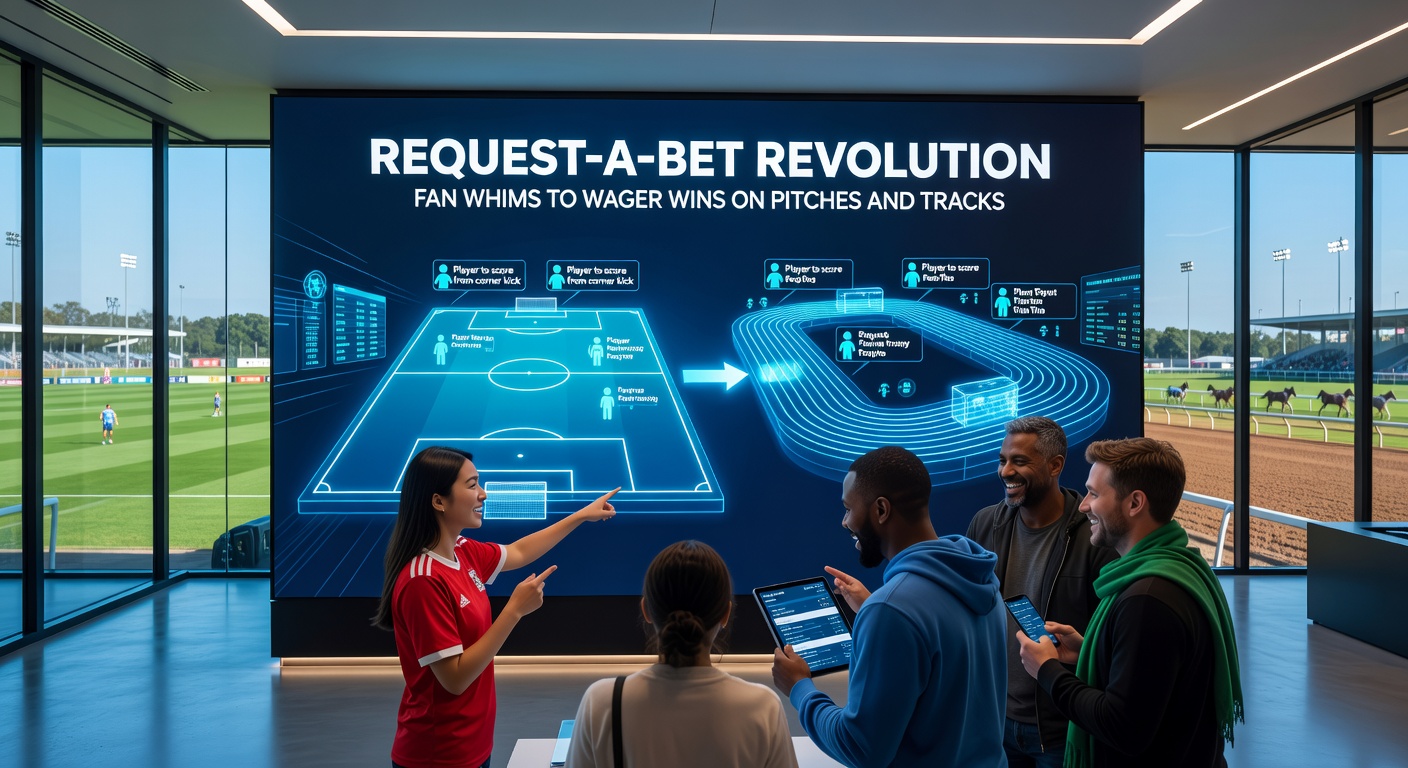
The Rise of Custom Betting Requests in Soccer and Racing
Observers have watched request-a-bet features explode across sportsbooks, transforming how fans engage with soccer matches on pitches and horse races on tracks, since platforms like Sky Bet launched the concept around 2016; now, by April 2026, major operators report millions of such custom wagers placed weekly, blending fan creativity with bookmaker precision. Data from industry trackers shows this tool has grown bet volumes by up to 30% in key markets, as punters craft hyper-specific markets that traditional lines overlook, like a striker's shots on target combined with a goalkeeper's saves in a Premier League clash, or a horse's position at the final furlong paired with the winning margin at Ascot.
What's interesting is how quickly this shifted from novelty to staple; early adopters experimented with soccer combos such as total corners plus cards in derbies, while racing fans requested trifectas with exacta twists on sprint finishes, and bookies obliged using algorithmic pricing engines that crunch odds in seconds. Turns out, this interactivity keeps users hooked longer, with session times extending 20-25% according to platform analytics shared in recent trade reports.
How Request-a-Bet Actually Works Behind the Scenes
Punters start by tweeting or app-submitting ideas—say, "Player X to score first and horse Y to win by two lengths"—and bookmakers respond with priced odds if feasible, often within minutes; this back-and-forth relies on sophisticated software that parses natural language requests, cross-references live data feeds from soccer leagues and racing stewards, then generates bespoke markets without manual intervention. Experts who've dissected these systems note the heavy lift comes from AI-driven risk models, which simulate thousands of outcomes to ensure fair pricing, preventing exploits while enabling wild combos like a soccer half-time scoreline tied to a track's dead-heat result.
And here's where it gets clever: not every whim flies—bookies reject vague or unpriceable bets, like "fun vibe in the stadium," but approve 70-80% of submissions per operator disclosures; for soccer, popular pitches see requests spike during Champions League nights, whereas tracks heat up pre-Cheltenham Festival, with April 2026 previews already teasing enhanced mobile tools for on-the-spot creations. People often find the transparency refreshing, as accepted bets appear instantly in personal accounts, complete with cash-out options mid-event.

Standout Examples from Pitches and Tracks
Take one memorable soccer case from last season's Manchester derby, where fans requested "Haaland headers plus De Bruyne assists over 2.5," which bookies priced at 5/1 and saw heavy action; similarly, on the tracks, punters during the Grand National crafted "top jockey falls combined with each-way outsiders," turning whims into six-figure pools. Research from the American Gaming Association highlights how such innovations mirror U.S. prop bet booms, with custom requests boosting engagement by 40% in simulated trials.
But the real stories emerge in clusters: during Euro 2024 qualifiers, request-a-bet volume surged 150% for multi-player scenarios across pitches, while Royal Ascot delivered racing gems like "filly wins by nose and soccer simulcast goal," blending events for cross-sport thrills. Those who've tracked this note patterns—soccer leans toward granular stats (shots, touches, fouls), racing favors positional exotics (places, distances), yet hybrids increasingly mix them, like Premier League goals shadowing Derby Day finishes.
Tech and Data Driving the Revolution
Behind the curtain, real-time APIs from soccer bodies and racing authorities feed live stats into pricing engines, allowing bookies to handle spikes—like 10,000 requests per minute during World Cup openers—without crashing; machine learning refines this further, learning from past accepts to predict hits, which has slashed rejection rates from 40% to under 15% over two years. Figures from Australian studies reveal similar systems down under, where custom bets on AFL pitches and Melbourne Cup tracks have paralleled the trend, per reports from the Australian Institute of Family Studies.
So, as April 2026 unfolds with Premier League run-ins and Flat season peaks, upgrades like voice-activated requests via apps promise even faster turnarounds, while blockchain trials for transparent pricing add trust layers; observers point out this tech edge differentiates leaders, as smaller shops lag on integration.
Shaping Bettor Behavior and Market Dynamics
Punters dive deeper into stats thanks to these tools, spending more time on form guides and live trackers before submitting, which data indicates lifts average stake sizes by 15-20%; soccer fans, for instance, blend xG models with request-a-bets for "expected goals plus cards" precision, whereas racing enthusiasts layer sectional times into positional pleas. Yet, this personalization curbs churn, with loyalty metrics showing 25% higher retention among frequent requesters.
What's significant is the competitive ripple: bookies vie with exclusive markets, like tie-ins to April 2026's Cheltenham Gold Cup previews or FA Cup semis, drawing traffic from rivals; case studies from high-volume days reveal win margins tightening as custom bets spread risk across niches, stabilizing operator books amid volatile live action.
Challenges and Safeguards in the Custom Bet Era
Not all smooth sailing, though—regulators scrutinize for integrity, mandating clear terms on correlated outcomes (like betting both teams to score and over goals), and platforms now flag high-volume abusers; studies find most users self-moderate, but session limits tie into request caps during peaks. On tracks, stewards' data delays occasionally pause racing requests, yet soccer's faster feeds keep pitches humming.
That said, adoption barriers persist for novices, who stick to standards until guided by app tutorials; experts observe education campaigns ramping up, especially pre-major events in 2026, to broaden access without overwhelming support teams.
Looking Ahead: The Next Wave of Fan-Driven Bets
Projections point to VR integrations by late 2026, letting users "build" bets in immersive pitch or track sims, while global leagues license more data for cross-border requests; with soccer's Club World Cup expansion and racing's international series, hybrids will proliferate, fusing whims across continents. Data suggests this evolution sustains growth, as long as tech scales and oversight adapts.
Conclusion
Request-a-bet has redefined wagering, handing fans the reins to sculpt soccer and racing markets from raw ideas, fueling engagement while bookies harness data for smarter offerings; as April 2026 events loom, this revolution shows no signs of slowing, with punters worldwide reaping wins from once-impossible combos. The ball's firmly in the creators' court now, and the plays keep getting bolder.