Transaction Timelines Drive Distinct Participation Trends in Football and Equine Betting
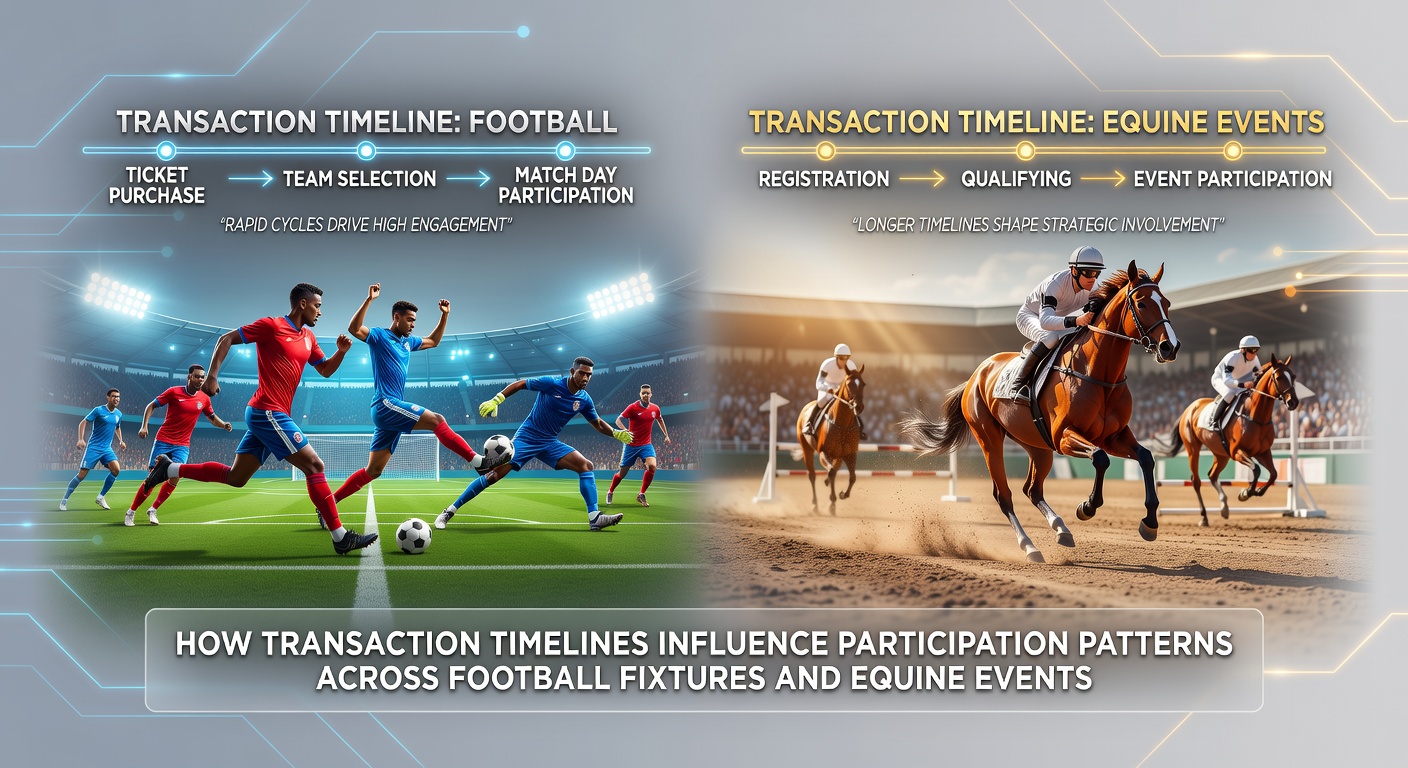
Payment processing speeds shape how participants engage with football fixtures and equine events, with data from multiple markets revealing clear differences in deposit and withdrawal patterns. Observers note that instant deposits often align with higher volumes of in-play wagers during live matches, while slower settlement times correlate with reduced activity in certain racing formats. Research indicates these timelines influence overall participation rates across both sectors, though the effects manifest differently depending on event structure and user preferences.
Deposit Speed and Real-Time Engagement Patterns
Football fixtures tend to generate spikes in activity when deposits clear within seconds, allowing bettors to respond immediately to unfolding plays on the pitch. Studies from the University of Nevada Las Vegas Center for Gaming Research show that platforms offering e-wallet integrations see elevated participation during half-time intervals and injury time periods. Equine events follow a separate rhythm, where pre-race deposits processed in under a minute support larger pre-event stakes, yet delays beyond five minutes often shift focus toward ante-post markets instead.
Data collected across European and North American operators reveals football bettors complete an average of 3.2 transactions per match when processing stays under 30 seconds, whereas equine participants average 1.8 transactions per meeting when similar speeds apply. These figures come from aggregated operator reports rather than individual behaviors, highlighting structural differences between continuous match flows and discrete race starts.
Withdrawal Timelines and Sustained Participation
Withdrawal processing times create measurable effects on repeat engagement. Faster payouts, typically completed within hours via debit cards or digital wallets, encourage continued activity across successive fixtures or race days. Slower cycles, stretching into multiple business days, coincide with lower return rates in both categories according to industry tracking data.
Football markets demonstrate stronger sensitivity here because matches occur weekly throughout long seasons, giving participants frequent opportunities to reinvest funds. Equine calendars feature concentrated festival periods, so withdrawal delays during those windows can redirect capital toward other entertainment options until the next major meeting arrives. One analysis of Australian betting records found a 14 percent drop in follow-up wagers when withdrawals exceeded 48 hours during the spring racing carnival.
Comparative Effects Across Event Types
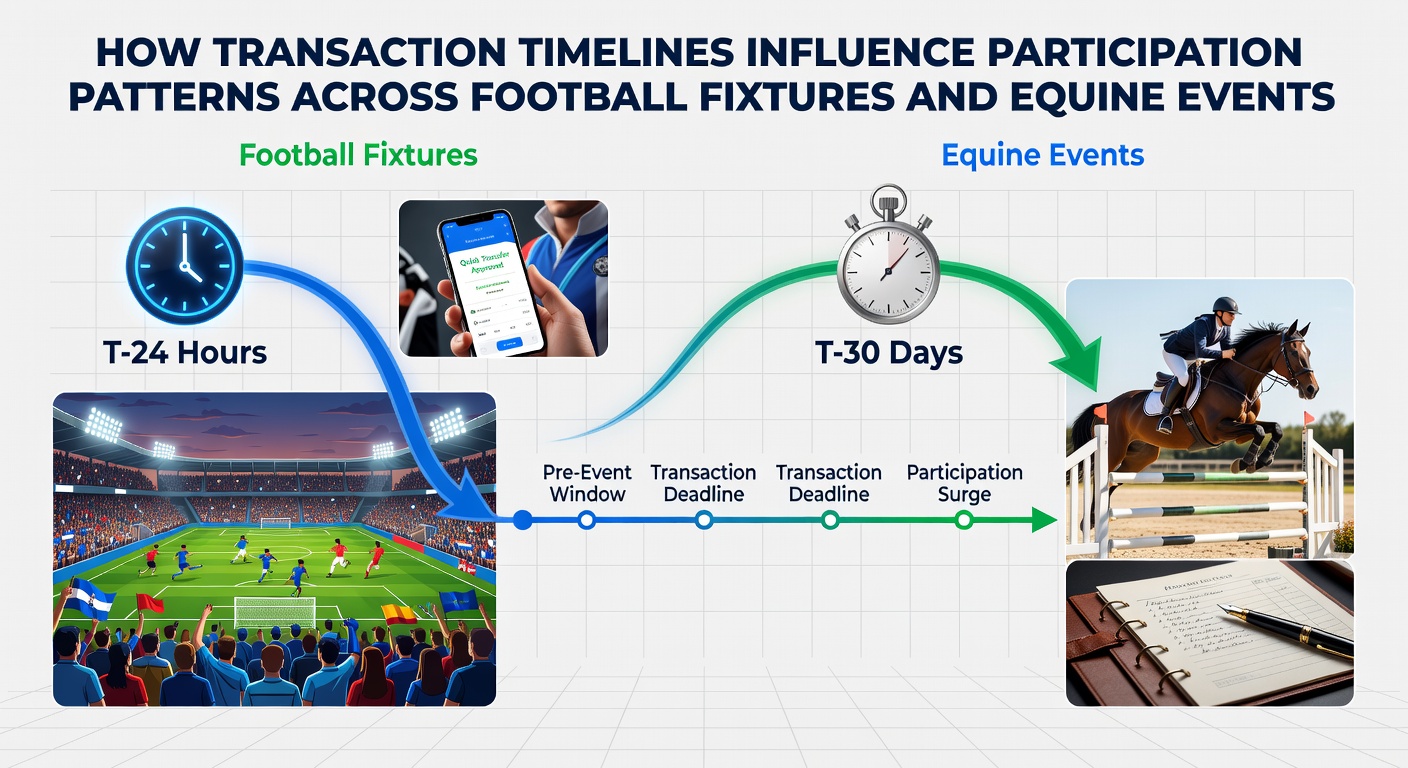
Transaction timelines interact with event frequency and duration in distinct ways. Football's ongoing league structure rewards near-instant processing because participants can adjust positions across multiple games in a single afternoon. Equine events, with their fixed start times and shorter individual races, place greater emphasis on pre-event funding accuracy, reducing the need for mid-event adjustments but increasing the value of reliable withdrawal options between meetings.
Operators report that football accounts linked to instant deposit methods show higher accumulator usage, while equine accounts favor each-way and place markets when funding arrives reliably ahead of the first race. These patterns emerge consistently in operator dashboards, reflecting how timeline reliability supports different strategic approaches rather than overall volume alone.
Regional Variations and Upcoming Shifts
Payment infrastructure differs across jurisdictions, creating varied participation baselines. North American markets after expanded sports betting legalization display quicker adoption of same-day withdrawals compared with some European counterparts, where regulatory layers extend average processing by one to two days. Australian data from the Australian Gambling Research Centre indicates that e-wallet dominance in racing states supports steadier participation curves during multi-day carnivals.
Industry observers track developments scheduled for May 2026, including adjustments to retail betting networks that may accelerate migration toward digital channels with faster settlement capabilities. These changes coincide with broader tax and operational pressures affecting high-street locations, potentially standardizing transaction timelines for remaining online users across football and racing products.
Conclusion
Transaction timelines function as measurable variables that differentiate engagement styles between football fixtures and equine events. Faster deposits align with reactive betting in continuous match environments, while reliable withdrawals support sustained involvement across both seasonal leagues and festival calendars. Available data from academic centers and regional research bodies consistently map these relationships, offering operators and participants clear reference points for understanding activity patterns without implying causation beyond observed correlations.