Unlocking Loyalty Layers: Tiered Rewards and Their Role in Accumulator Performance Across Football Leagues and National Hunt Events
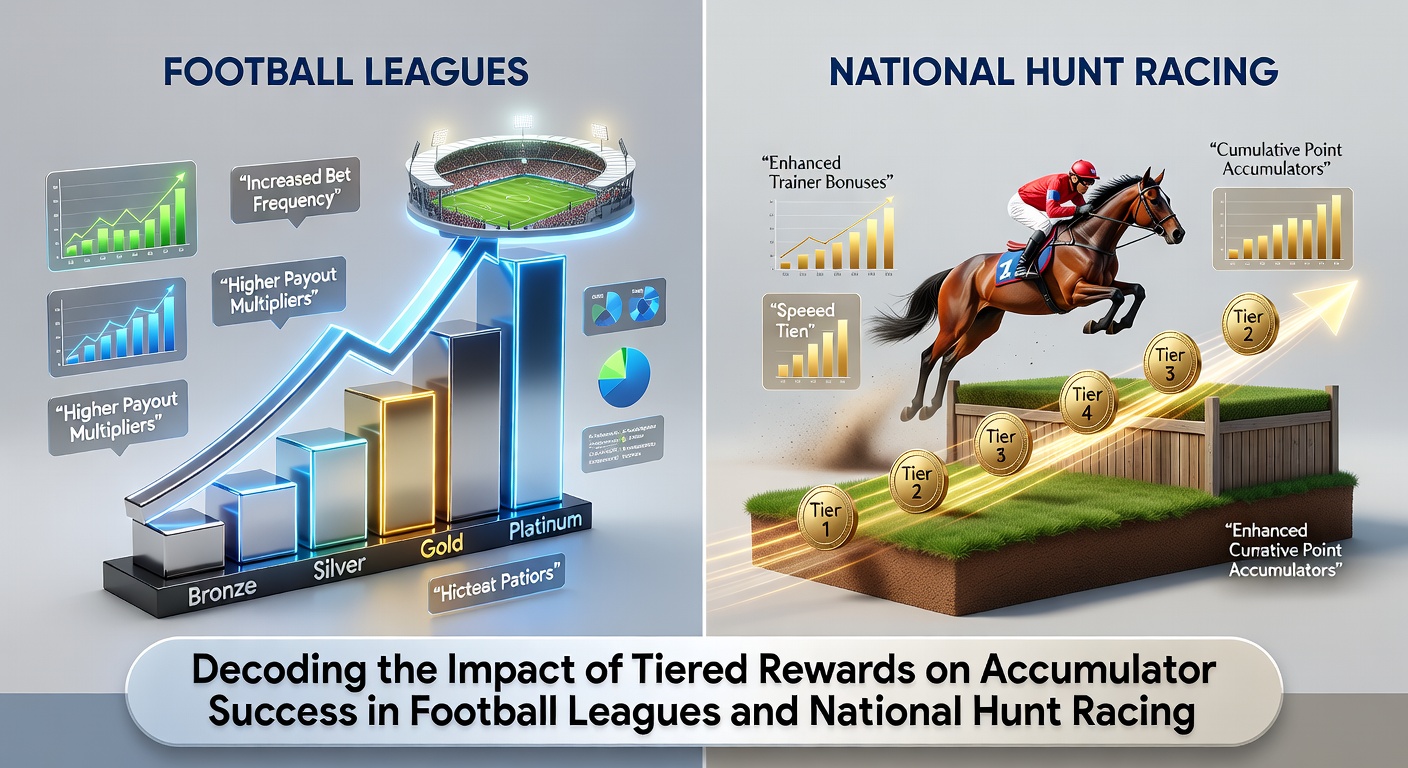
Tiered rewards programs operate through structured loyalty levels that grant users escalating benefits based on betting volume and frequency, and these systems directly intersect with accumulator strategies in football leagues and National Hunt racing where multiple selections combine into single wagers. Observers note that higher tiers often unlock enhanced odds boosts, cashback percentages, and bonus funds that can offset the inherent risk multipliers in accumulators, which require all legs to succeed for payout.
Mechanics of Tiered Rewards in Sports Betting Platforms
Platforms categorize participants into bronze, silver, gold, and platinum levels according to monthly or seasonal activity metrics, while each ascent delivers specific perks such as reduced margins on accumulator bets or exclusive promotions tied to major events. Data from industry analyses shows that participants in upper tiers receive up to 15 percent additional value on multi-leg wagers through targeted incentives, and this structure encourages sustained engagement across both association football and jump racing calendars. Researchers at academic institutions have documented how these progressions alter bet sizing patterns, with users at advanced levels placing larger accumulator stakes because the layered returns mitigate potential losses.
Accumulator Strategies in Football Leagues
Football accumulators typically link outcomes from multiple matches, such as correct scores or over/under totals, and tiered rewards integrate here by offering leg-specific enhancements or free bets that activate upon reaching certain thresholds. Studies indicate that silver and gold tier members achieve higher completion rates on four-leg or five-leg football accumulators when promotions apply to midweek fixtures in leagues like the Premier League or Serie A, since the added value compensates for the probability drop that accompanies each added selection. Those who've examined betting data observe that platforms adjust reward tiers seasonally to align with tournament peaks, thereby concentrating accumulator activity around periods of dense scheduling.
Application to National Hunt Racing Markets
National Hunt events, including steeplechases and hurdles at venues like Cheltenham or Aintree, feature accumulators built around selections such as win or each-way outcomes, and tiered rewards influence these through cashback on placed horses or boosted dividends for consecutive correct calls. Evidence suggests that platinum tier participants experience measurable improvements in accumulator returns during festival periods because loyalty bonuses often cover the additional place terms common in jump racing, where fields tend to be larger and outcomes more variable than in flat racing. One analysis of historical racing data revealed that loyalty incentives correlate with increased accumulator volume among regular punters who track multiple meetings throughout the winter jumps season.
Comparative Effects on Success Rates
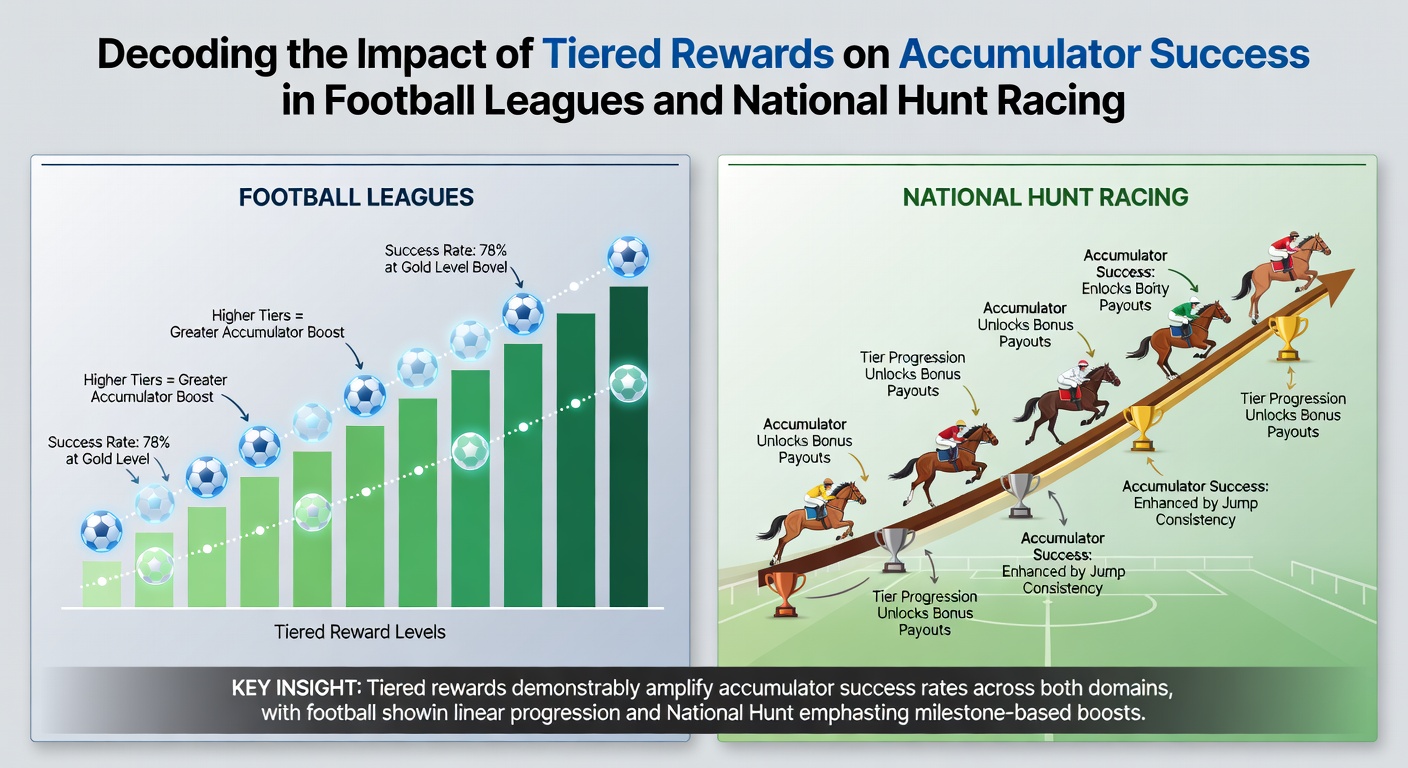
Cross-sport comparisons reveal that tiered rewards exert stronger influence on football accumulators due to the predictable structure of league schedules, whereas National Hunt accumulators benefit more from event-specific bonuses that address the higher variance in jump outcomes. Figures from regulatory reports in multiple jurisdictions demonstrate that users advancing through tiers show incremental gains in accumulator payout frequency, particularly when rewards include insurance features that refund stakes on near-miss combinations. What's interesting is how these programs interact with bet builders, allowing participants to layer additional markets onto core accumulators without proportional increases in overall risk exposure.
Platform Adaptations and User Behaviors
Betting operators refine tier criteria in response to seasonal patterns, and this leads to observable shifts where football league participants prioritize volume during domestic campaigns while National Hunt enthusiasts concentrate activity around major festivals. Academic papers on gambling patterns indicate that the visibility of progress toward the next tier encourages users to consolidate accumulator bets rather than spread wagers across single selections, thereby amplifying the compounding effect of loyalty multipliers. External sources such as American Gaming Association reports highlight similar dynamics in regulated markets, where reward structures tied to multi-leg products sustain longer engagement cycles.
Future Developments Around Loyalty Integration
Industry projections suggest continued refinement of tiered systems through data-driven personalization, and this evolution may further embed accumulator tools within loyalty frameworks for both football and racing. Observers point to potential expansions in reward types, including tier-exclusive accumulator insurance that activates during high-profile events, as operators respond to competitive pressures in international betting environments. A Canadian regulatory overview from the Alcohol and Gaming Commission of Ontario notes ongoing monitoring of loyalty mechanics to ensure transparent application across sports.
Conclusion
Tiered rewards programs continue to shape accumulator approaches in football leagues and National Hunt racing by supplying progressive value additions that align with the multi-selection demands of these bet types. Data patterns across platforms confirm measurable differences in user activity and return profiles once participants reach elevated loyalty stages, and these effects persist across seasonal cycles in both sports. The integration of such systems reflects broader operational strategies that link engagement metrics directly to product features like accumulators, resulting in structured pathways that reward consistent participation while adapting to the distinct characteristics of league and jumps markets.